Electrical Safety Checklist for Home Renovations in Coral Gables, FL

Electrical work is easiest to plan before walls are opened, cabinets are installed or finishes are completed. If you are renovating a kitchen, bathroom, addition or entire property, an electrician in Coral Gables, FL can help coordinate the electrical scope before construction moves too far.
Start With an Electrical Evaluation
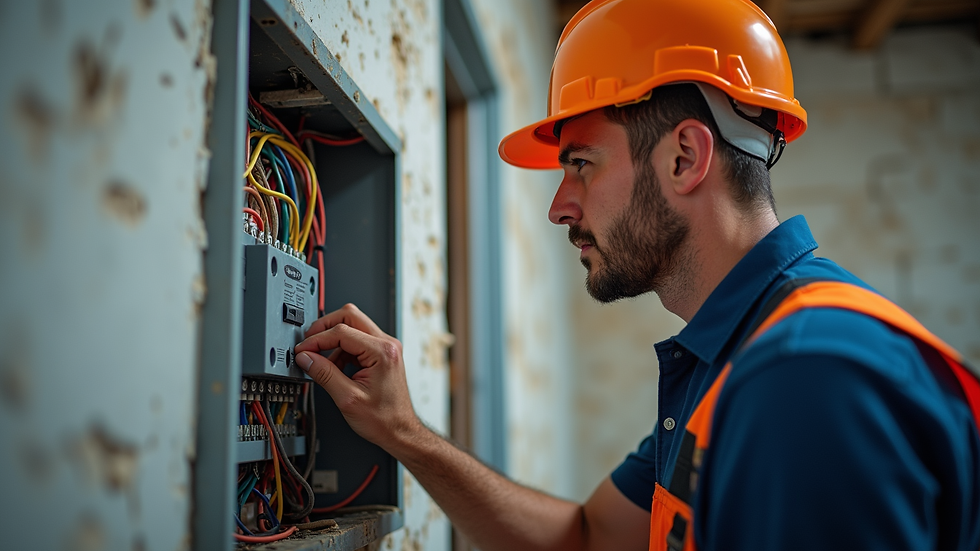
A renovation may reveal wiring from different periods, undocumented alterations or equipment that no longer matches the home's needs. The evaluation should identify the existing service capacity, panel condition, circuit layout and any visible damage before new loads are added.
Electrical Renovation Checklist
1. Define Every New Electrical Load
List appliances, air-conditioning equipment, water heaters, pumps, lighting, receptacles, EV chargers and specialty equipment early. Equipment specifications matter because two products serving the same purpose can require very different circuits.
2. Confirm Panel and Service Capacity
A load calculation helps determine whether the existing electrical service can support the finished project. This is especially important when a renovation changes cooking equipment, water heating, air conditioning or vehicle charging.
3. Plan Dedicated Circuits Before Finishes
Large appliances and specialized equipment may require dedicated circuits. Planning those routes before drywall, tile or cabinetry is completed reduces rework and helps keep the installation organized.
4. Review Grounding, Bonding and Surge Protection
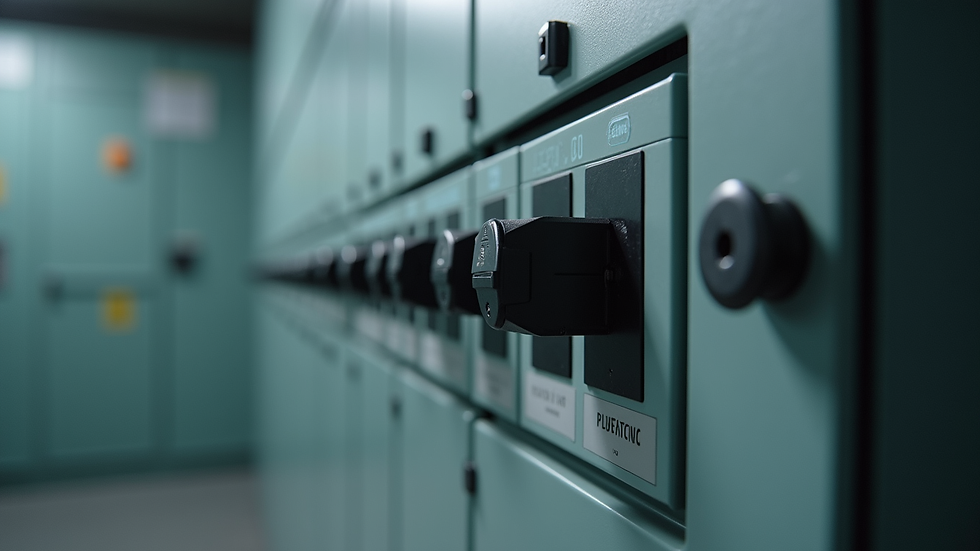
Renovation work is a good time to review the grounding and bonding system and determine whether surge protection should be included. These components support the safe operation of breakers and help protect connected equipment.
5. Coordinate Lighting and Controls
Decide where switches, dimmers, occupancy controls and lighting fixtures will be located before framing and finishes are finalized. Consider furniture placement, cabinet layouts, ceiling details and outdoor lighting so controls remain accessible and practical.
6. Identify Moisture and Exterior Locations
Bathrooms, kitchens, garages, outdoor areas and other damp or wet locations require equipment and protection appropriate for their environment. The electrical design should match the actual installation conditions and current permit scope.
7. Document Changes and Label Circuits
Accurate circuit labels and clear documentation make future troubleshooting safer and faster. When circuits are relocated or repurposed, the panel directory should be updated to reflect the completed work.
8. Schedule Permits and Inspections
Permit needs depend on the work being performed. Electrical inspections should be coordinated with the construction schedule so corrections can be handled before walls or ceilings are closed.
Warning Signs That Need Immediate Attention
Burning odors, smoke, sparking or visible heat damage
Buzzing or crackling from panels, switches or receptacles
Repeated breaker trips after renovation equipment is connected
Corrosion, water marks or moisture near electrical components
Loose devices, exposed conductors or damaged insulation
Lights that flicker severely when appliances start
Avoid Last-Minute Electrical Changes
Late changes can affect cabinetry, tile, drywall, equipment clearances and permit documents. A coordinated electrical plan helps the general contractor, electrician and other trades understand what must be completed and inspected at each stage.
Electrical Renovation Services in Coral Gables
PST Electric Service & Repair provides troubleshooting, panel work, wiring, lighting, dedicated appliance circuits, EV charger installations and other residential and commercial electrical services in Coral Gables and surrounding Miami-Dade communities. Contact PST Electric or call (305) 542-9353 to arrange an evaluation.

Comments