Do You Need a Panel Upgrade for an EV Charger in Pinecrest, FL?

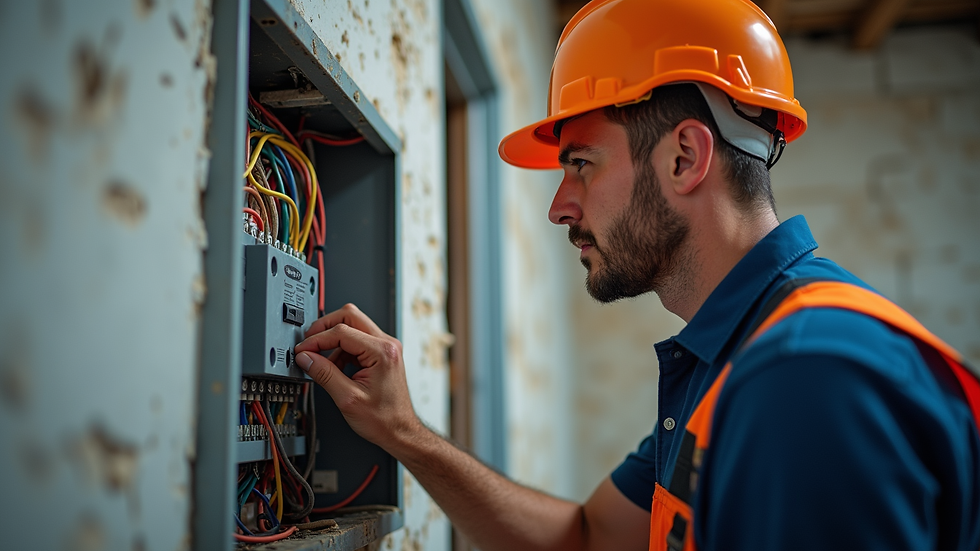
Installing an electric vehicle charger at home is convenient, but the charger must work safely with the home's existing electrical system. Before choosing equipment, an electrician in Pinecrest, FL should evaluate the service, panel and planned charging load.
Does Every EV Charger Require a Panel Upgrade?
No. Some homes have enough available capacity and panel space for a new dedicated charging circuit. Others may need a panel modification, load-management equipment or a service upgrade. The correct answer comes from an electrical load calculation and an inspection of the existing equipment—not from the charger's plug style alone.
What the Electrician Reviews
The home's electrical service rating and calculated demand
Available breaker spaces and panel condition
The charger's required voltage, circuit size and adjustable output settings
The route and length of the wiring from the panel to the parking area
Existing high-demand equipment such as air conditioning, electric cooking or water heating
Grounding, bonding and surge-protection conditions
Permit and inspection requirements for the proposed installation
Signs an Upgrade May Be More Likely
The Panel Has No Safe Space for Expansion
A full panel does not automatically mean it must be replaced, but it limits the options. An electrician should verify whether the existing breaker arrangement is correct and whether a properly designed subpanel or other approved solution is practical.
The Home Already Has Several Large Electrical Loads
Electric ranges, dryers, pool equipment, air-conditioning systems and electric water heaters can consume a significant portion of the available capacity. Adding an EV charger without reviewing the combined demand can create nuisance trips or an overloaded system.
The Existing Equipment Shows Damage or Deterioration
Rust, overheating, buzzing, loose components or water intrusion must be addressed before adding new load. Installing a charger does not correct an existing panel defect; the underlying issue needs its own diagnosis and repair.
The Planned Charger Requires More Capacity Than Is Available
Many chargers allow different output settings. In some homes, a lower charging rate or listed load-management solution may meet the owner's needs without a complete service upgrade. In other homes, upgrading the panel or service is the appropriate long-term choice.
Why Charger Location Matters
The distance between the panel and parking location affects conductor size, raceway, labor and voltage drop considerations. Garages, exterior walls and detached structures can require different installation methods. Planning the route before purchasing the charger helps prevent unexpected changes.
Permits and Equipment Compatibility
An EV charger circuit should be designed for the exact equipment being installed and the conditions at the property. The breaker, conductors, disconnecting means when required, mounting location and protective devices must work together as a complete system. Permit requirements should be addressed before installation begins.
Prepare for Your EV Charger Estimate
Have the charger model or specifications available, identify the preferred parking location and note whether the charger will be indoors or outdoors. Photos of the electrical panel and the proposed route can help with planning, although an on-site evaluation may still be necessary.
EV Charger Installation in Pinecrest
PST Electric Service & Repair provides panel evaluations, dedicated circuits, EV charger installations, surge protection and related electrical services throughout Pinecrest and Miami-Dade. Contact PST Electric or call (305) 542-9353 to request a free estimate during regular estimating hours.

Comments